In today’s fast-paced world, the demand for mobile solutions extends beyond food trucks and pop-up shops to more essential services like laundry. Mobile laundry trailers provide vital services for every circumstance, from disaster relief efforts to large-scale events. Stabilit America, a leader in the production of FRP panels, offers materials that are functional but pivotal for the durability and efficiency of these mobile units. Here’s how our FRP panels make a significant difference in the construction and operation of your mobile laundry trailers.
The growing need for mobile laundry services
Mobile laundry trailers serve a critical role that crosses industries throughout the country. They need to meet the required hygiene and comfort standards that are expected for the occasion when traditional facilities just aren’t an option or are overwhelmed by the demand. These trailers are especially beneficial in the following ways:
- Disaster relief: Providing services in areas affected by natural disasters where infrastructure is damaged.
- Remote industrial sites: Supporting workers in oil fields, mining operations, and other remote areas where laundry facilities are scarce.
- Special events and festivals: Offering attendees the convenience of laundry services, enhancing their experience and extending their stay.
- Humanitarian efforts and homeless outreach: Assisting in maintaining hygiene and dignity for those in transitional living situations or during crisis interventions.
Each of these applications demands mobility, durability, and resilience from any laundry trailers used on-site. These are all qualities that trailer interior wall FRP panels can give you.
Why FRP panels are ideal for mobile laundry trailers
Mobile laundry services are a lifeline in many scenarios, providing essential support wherever permanent facilities are non-existent or have been compromised. As you seek to deploy or manage these vital services, consider the role of advanced materials in enhancing your operations. Stabilit America’s Steeliner FRP panels are specifically engineered to meet the unique demands of mobile laundry trailers, offering unmatched durability and ease of maintenance.
Durability and protection
When your mobile laundry trailer is serving in harsh conditions, you need materials that stand up to the challenge. Stabilit America’s Steeliner for exterior walls and roofs is designed with a special acrylic gelcoat that significantly enhances UV resistance and weather tolerance. These panels endure the rigors of frequent relocation and constant exposure to elements, ensuring your trailer maintains its pristine condition over the years. The robust construction reduces the need for frequent maintenance, thereby extending the operational lifespan of your trailers. This means less downtime and more reliable service for your clients.
Structural integrity and lightweight design
In mobile operations, every pound matters. Steeliner FRP panels are not only robust but also impressively lightweight, which makes your laundry trailers easier to transport and more fuel-efficient. The panels come in various thicknesses, including options of .050 inch and .090 inch, providing flexibility to balance strength and weight according to your specific needs. This reduction in trailer weight helps lower fuel consumption, making your operations more sustainable and cost-effective. Plus, easier handling can broaden the range of vehicles suitable for towing your units.
Hygiene and easy maintenance
Hygiene is non-negotiable in your line of work, especially when you’re providing laundry services during events or as disaster relief. Steeliner FRP panels are inherently moisture and mildew-resistant, which means they fend off common contaminants and are incredibly easy to clean. Their non-porous surface does not allow bacteria or odors to penetrate, thus maintaining a clean and healthy environment inside the trailer for both users and operators. This feature is particularly crucial in maintaining operational standards and ensuring that hygiene regulations are effortlessly met. Frequent clean-ups are simplified, reducing turnaround times between jobs and enhancing overall service efficiency.
Operational versatility
The versatility of Steeliner FRP panels makes them an excellent choice for mobile laundry trailers used across various industries and scenarios. These panels ensure that the structure remains robust and unaffected by diverse environmental conditions. The ability to customize dimensions and finishes allows you to design trailers that perform well and fit the specific aesthetic and functional requirements of different operational contexts.
Choosing the right materials impacts the efficiency and durability of your mobile laundry trailers. By choosing Stabilit America’s Steeliner FRP panels, your fleet is ready to handle the demands of mobile laundry operations while providing reliable, clean, and efficient laundry services. These panels offer a blend of strength, lightweight design, hygiene, and versatility. That is why they are the ideal choice for anyone looking to enhance their mobile service offerings.
Strategic benefits to manufacturers and rental companies
If you construct mobile laundry trailers, you get a lot when you choose trailer wall FRP panels:
- Enhanced product quality: By integrating Stabilit America’s FRP panels, you can deliver trailers that are robust, reliable, and ready for frequent use in various environments.
- Operational cost savings: You stand to benefit from the low maintenance and durability of FRP panels, which translate into lower operational costs and fewer downtimes for repairs.
- Customer satisfaction: The superior quality and performance of trailers equipped with FRP panels ensure a better customer experience, fostering loyalty and potentially generating more business through positive reviews and recommendations.
Embrace the Future of Mobile Laundry Services
Choose Stabilit America’s FRP panels for your mobile laundry trailers and experience the benefits of a product that match the pace and versatility of your business needs. Whether you need to supply trailers to an oil field or a music festival, our panels can withstand the demands of any environment while maintaining a high standard of hygiene and aesthetic appeal. Contact us at Stabilit America today to find out how our FRP panels can enhance your fleet and help you deliver exceptional service wherever it’s needed.
Frequently asked questions
How do FRP exterior wall panels enhance the durability of mobile laundry units?
By incorporating FRP exterior wall panels into the trailer or unit construction, manufacturers improve resistance to moisture, chemical exposure, impact damage and corrosion. This makes the mobile laundry units significantly more robust and longer lasting in demanding environments.
Can mobile laundry units be customized for different capacities and site conditions?
Yes. These units can vary in size—from small trailers to large laundries— and are configurable with different washer/dryer counts, power/water/waste hookups, climate control and optional features. This flexibility lets you tailor the mobile laundry units to your operational footprint and service demand.
What maintenance advantages do mobile laundry units with FRP panels offer?
Units built with FRP exterior wall panels require less frequent repair and upkeep compared to traditional materials. Their non‑porous, corrosion‑resistant surfaces mean fewer issues with rust, delamination or mold, reducing downtime and lifecycle cost of the mobile laundry units.
Are mobile laundry units suitable for long‑term deployment or only short‑term use?
They are suitable for both. Mobile laundry units outfitted with high‑quality materials (such as FRP exterior wall panels) are well-equipped for long‑term deployment in base‑camps, remote workforce housing, oil & gas sites or disaster relief, as well as short‑term events or temporary expansions.
Stabilit America Inc. is a leading North American manufacturer of fiberglass reinforced panels (FRP) and polycarbonate sheets, with over 65 years of experience. The company offers the widest range of acrylic, polyester, and polycarbonate laminates, backed by international certifications (USDA, Greenguard, FM, ISO 9001, among others), serving industries such as industrial construction, transportation, and sustainable building.
In the competitive market of travel trailer production, large bunkhouse models stand out for their spacious design and versatility. For manufacturers and rental companies, it is important to make sure that these trailers are functional, durable, and visually appealing. Stabilit America’s innovative fiberglass reinforced plastic (FRP) panels are the perfect solution. They blend durability with style, which is perfect for the demanding environments these trailers often encounter.
Understanding large bunkhouse travel trailers
Large bunkhouse travel trailers maximize sleeping capacity and living space, making them ideal for larger groups or families. These trailers typically feature multiple bunk beds and expansive living areas, catering to the needs of renters who require more room and comfort when they are traveling. Their popularity comes from their ability to provide a home away from home, with enough space to comfortably accommodate groups without feeling cramped.
Why FRP panels are crucial for bunkhouse trailers
FRP panels, like those from Stabilit America, are particularly suited for large bunkhouse travel trailers used by rental companies. Here’s why these panels are essential:
Durability
Stabilit’s FRP panels, crafted with a special acrylic gelcoat, allow your large bunkhouse trailers to meet whatever demands come their way. The trailer external wall FRP panels provide protection against UV radiation and harsh weather conditions, which is something that these units have to stand up against throughout their extensive rental use. This lasting resilience means that your trailer’s exterior maintains its integrity and appearance, avoiding the typical wear and tear seen in less robust materials. For rental companies, this means extended service life and reduced frequency of replacements. It translates into cost savings and less operational downtime.
Aesthetic appeal
The look of a travel trailer can be just as important as its functionality, especially in the competitive rental market. Stabilit’s Versalit Premium panels offer a high-gloss, mirror-like finish that elevates the visual appeal of large bunkhouse trailers. They are highly attractive to potential renters. This aesthetic enhancement helps you maintain a modern fleet, attracting a higher volume of customers looking for a premium rental experience. An attractive trailer exterior can often be the deciding factor when renters compare their options. When you use FRP panels for your large bunkhouse trailers, you get a distinct advantage in the rental market.
Maintenance
The amount of time large bunkhouse travel trailers spend on the road puts maintenance to the test as they cycle through all of the renters. What FRP panels can provide for maintenance is unmatched by any other materials. The ease of maintenance provided by FRP panels is unmatched, particularly valuable for trailers that cycle through numerous renters. The moisture and mildew resistance of the trailer wall FRP panels means they can be easily cleaned for the next customer without extensive labor. In turn, your trailers spend more time on the road and less time getting needed upkeep. This is really beneficial for large bunkhouse trailers that require quick turnaround times during busy rental periods. When you are running a rental business, these panels reduce the need for frequent deep cleanings and mitigate potential damage from constant use, keeping maintenance costs low and efficiency high.
Environmental resistance
Large bunkhouse trailers equipped with FRP panels can face diverse climatic conditions without suffering deterioration. Whether your unit is up against the scorching sun, high humidity, or heavy rain, the superior weathering properties of these panels keep the structure from becoming compromised. This robust environmental resistance is important for trailers that are constantly moving across different regions, giving you the assurance that your investment is protected against the elements. This reliability not only preserves your trailer’s lifespan but also enhances its usability across all kinds of environmental conditions.
The Benefits of Versalit and Steeliner FRP Panels
Stabilit America offers two distinct lines of FRP panels—Versalit and Steeliner—each with unique benefits suited to the demanding environments of large bunkhouse travel trailers:
- Versalit panels: Versalit panels, offered in premium, low-gloss, and pebble flex finishes, are engineered to combine flexibility with extraordinary strength. The Versalit Premium’s high-gloss, mirror-like finish makes your trailer look great while holding up against extreme weather conditions. That means your trailer’s exterior remains pristine over time. This durability is backed by UV stabilization, which protects the panels from sun damage and contributes to their long lifespan. As a result, your panels require less frequent replacements and can maintain a higher resale value.
- Steeliner panels: Steeliner panels are designed to meet the rugged demands of travel trailer exteriors, like the walls and roofs. These panels withstand high impacts and abrasions, giving the best protection against road debris and environmental wear that comes with long travel miles. Their built-in moisture resistance prevents rust and mildew, enhancing the health of the interior parts of your trailer and reducing the maintenance burden. Additionally, Steeliner’s ability to resist chemical exposures ensures that the trailer’s appearance and function are not compromised, supporting a longer service life and greater customer satisfaction.
Interior applications of FRP Panels in large bunkhouse trailers
Additionally, the interior durability and aesthetic appeal significantly impact the value and desirability of large bunkhouse trailers. Manufacturers and rental companies, therefore, are increasingly turning to innovative solutions like FRP panels for all of their interior walls and ceilings in every unit. Let’s explore specific interior applications where these panels can truly shine.
- Wall linings: FRP panels are perfect for lining the walls of bunkhouse trailers, offering a sturdy surface that resists dents and scratches from luggage or furniture movement. Their smooth finish makes them easy to clean. That helps you keep a fresh environment after each rental period.
- Bathroom surfaces: You can utilize the water-resistant properties of FRP panels in the bathroom areas. They prevent moisture penetration and mold buildup, ensuring the bathrooms remain dry and hygienic, prioritizing your guests’ health and comfort.
- Kitchen backsplashes: Incorporate FRP panels as kitchen backsplashes to protect against splashes and stains. Their chemical resistance means cleaning up is a breeze, no matter how adventurous the cooking gets.
- Ceiling panels: When you use FRP panels on the ceilings, they provide a consistent, clean look that helps with moisture management, especially in humid conditions. This helps maintain the structural integrity of your trailer’s space, stopping water damage and sagging from occurring.
- Decorative touches: You can get FRP panels in different textures and colors to create interior designs that differentiate your trailer from all the competition that is out there.
Why this matters to manufacturers and rental companies
For manufacturers, using Stabilit America’s trailer wall FRP panels means producing travel trailers that stand out for their quality and durability, increasing appeal to potential buyers and renters. Rental companies benefit from enhanced durability and low maintenance, ensuring a longer lifespan and reduced operational costs for their fleet. Additionally, the aesthetic flexibility of these panels allows for customized designs that can cater to various customer preferences, adding a competitive edge in the market.
Elevate your fleet with Stabilit America’s FRP panels
Embrace the future of large bunkhouse travel trailers with Stabilit America’s FRP panels. Whether you’re manufacturing these trailers or managing a rental fleet, our panels offer the durability, aesthetic appeal, and low maintenance you need to stay ahead in the market. Invest in Stabilit America’s FRP solutions and deliver a superior travel experience that customers will choose time and again. Discover how our FRP panels can transform your trailer offerings. Contact us today to learn more and start differentiating your products in the bustling travel trailer market.
Frequently asked questions
How do FRP panels in FRP trailers reduce maintenance and operational costs?
The FRP panels used in these trailers resist rust, rot, mold and mildew — which means fewer repairs, fewer replacements, and less downtime. For rental fleets, this translates into more time on the road and less time in the shop.
Are FRP trailers suitable for harsh environmental conditions and heavy use?
Yes. It are engineered for UV stability, impact resistance, and weathering durability. This makes FRP trailers ideal for applications where the units face different climates, frequent relocations, or high‑turnover rental cycles.
Can the aesthetics of FRP trailers match the expectations of the rental market?
Absolutely. Offer finishes like high‑gloss or custom textures, and manufacturers of FRP trailers can deliver units that not only perform well but also have the visual quality that attracts customers and supports brand positioning.
What should manufacturers or fleet managers look for when selecting FRP panels for FRP trailers?
Key factors include panel thickness, gel‑coat or surface finish, impact resistance, weathering specifications, warranty, and compatibility with the trailer structure. Choosing the right supplier ensures that the FRP trailers deliver on both performance and lifecycle expectations.
Stabilit America Inc. is a leading North American manufacturer of fiberglass reinforced panels (FRP) and polycarbonate sheets, with over 65 years of experience. The company offers the widest range of acrylic, polyester, and polycarbonate laminates, backed by international certifications (USDA, Greenguard, FM, ISO 9001, among others), serving industries such as industrial construction, transportation, and sustainable building.
In the dynamic landscape of the construction industry, the choice of materials can significantly influence the outcome of a project. The materials used can affect not only the structural integrity and durability of the construction but also the overall cost-effectiveness and sustainability of the project. One material that has been making waves in the industry due to its unique properties and cost-saving benefits is Fiber-Reinforced Polymer (FRP). This is an in-depth exploration of FRP, its applications in construction, and the various ways it can lead to substantial cost savings.
Understanding FRP
Before talking about the cost-saving benefits of FRP, it’s important to understand what it is and why it’s considered a game-changer in the construction industry. FRP is a composite material that combines the high strength of fibers, such as glass or carbon, with a polymer matrix. This combination results in a material that is lightweight yet incredibly strong and resistant to many forms of damage, including corrosion, impact, and weathering.
The unique properties of FRP stem from its composite nature. The fibers provide strength and stiffness, while the polymer matrix, which can be made from a variety of resins, provides shape and protects the fibers. This synergy results in a material that can be tailored to meet specific performance requirements, making it very versatile.
FRP in construction
FRP has a wide range of applications in the construction industry. It’s used in the fabrication of structural components, such as beams, columns, and panels, as well as non-structural elements like cladding and facades. FRP is also used in the repair and strengthening of existing structures, providing a cost-effective solution for enhancing structural integrity without the need for extensive reconstruction.
The use of FRP in construction is not new. It has been used in the aerospace and automotive industries for decades due to its high strength-to-weight ratio. However, it’s only in recent years that the construction industry has started to fully realize the potential of this material. With advances in manufacturing techniques and a better understanding of the material’s properties, FRP is now being used in a variety of construction applications, from residential homes to large-scale infrastructure projects.
How you can save money with FRP
Reduced material costs
While the initial cost of FRP materials may be higher than traditional construction materials like steel or concrete, the overall material costs can be lower. This is because FRP components are often prefabricated to exact specifications, reducing waste and the need for additional materials. Furthermore, the lightweight nature of FRP reduces transportation costs and makes handling and installation easier and cheaper.
Lower maintenance costs
One of the most significant cost-saving benefits of FRP is its low maintenance requirements. Unlike steel, FRP is resistant to corrosion, eliminating the need for regular painting or coating. It’s also resistant to rot and insect damage, common issues with wooden structures. This means that once FRP structures are installed, the costs associated with maintenance and repair are significantly reduced.
Energy efficiency
FRP provides excellent insulation properties, which can lead to substantial energy savings in buildings. This is particularly beneficial in climates with extreme temperatures, where maintaining a stable internal temperature can be costly. By reducing the need for heating and cooling, FRP can contribute to lower energy bills and a smaller carbon footprint.
Longevity
FRP structures have a long lifespan, often outlasting traditional materials like wood, steel, or concrete. This longevity means that structures don’t need to be replaced as frequently, leading to significant cost savings over the life of the building.
Increased productivity
The ease of installation of FRP components can lead to increased productivity on the construction site. With components often arriving prefabricated and ready to install, construction timelines can be significantly reduced. This faster installation time not only reduces labor costs, but also allows for quicker occupancy, reducing downtime for businesses and accelerating return on investment.
Detailed analysis of cost-saving benefits
The points above outline how FRP can reduce costs, but a high-level view is not enough to support budget decisions or material specifications. Taking a closer look at each driver of savings—installation, maintenance, lifecycle, and operational efficiency—helps quantify the real financial impact of choosing FRP building materials over traditional options.
By breaking down where and how these savings occur, owners, designers, and contractors can compare scenarios more accurately, evaluate total cost of ownership instead of just upfront price, and identify the types of projects where FRP delivers the strongest return on investment.

FRP: A smart long-term win for your projects
In conclusion, you may pay a little extra up-front for FRP, but the long-term cost-saving benefits make it a smart investment for many construction projects. From reduced material and maintenance costs to energy efficiency and increased productivity, FRP offers a range of benefits that can lead to substantial savings over the life of a structure.
As the construction industry continues to evolve, materials like FRP are set to play an increasingly important role. By understanding the cost-saving benefits of these materials, construction professionals can make informed decisions that improve the quality, sustainability, and cost-effectiveness of their projects. Whether you’re planning a new construction project or looking to retrofit an existing structure, consider the benefits of FRP – your budget may thank you.
In the end, the goal of any construction project is to create a structure that meets the needs of its users, and FRP can play a significant role in achieving this goal. With its unique combination of strength, durability, and cost-saving benefits, FRP is a material that offers a lot of promise, now and in the future.
Stabilit is a global leader in FRP
As one of the leading providers of FRP panels, Stabilit America has invested years of work into refining and improving Fiberglass-Reinforced Panels. Get to know our product line and benefit from our experience, quality and reliability.
Stabilit has a material that fits your needs. Contact us y and find out more about how we can help!
Frequently asked questions
Is FRP always more expensive than traditional materials at the start?
Not necessarily. In some cases, FRP components may have a higher unit price than wood, steel, or concrete, but factors like prefabrication, reduced waste, lower shipping weight, and faster installation can narrow that gap. When lifecycle costs are included, FRP often becomes the more economical option.
Where do FRP building materials deliver the greatest cost savings?
The strongest savings appear in environments with high moisture, chemicals, or heavy cleaning routines—such as food processing, cold storage, healthcare, agriculture, and industrial facilities. In these settings, FRP’s durability and corrosion resistance significantly reduce repair, replacement, and downtime costs.
How does FRP help reduce maintenance budgets over time?
FRP does not rust, rot, or absorb moisture the way many traditional materials do. That means fewer coatings, less surface repair, and fewer unplanned interventions. Over the life of a facility, lower maintenance frequency and shorter shutdowns can drive substantial savings in both materials and labor.
Stabilit America Inc. is a leading North American manufacturer of fiberglass reinforced panels (FRP) and polycarbonate sheets, with over 65 years of experience. The company offers the widest range of acrylic, polyester, and polycarbonate laminates, backed by international certifications (USDA, Greenguard, FM, ISO 9001, among others), serving industries such as industrial construction, transportation, and sustainable building.
In the field of composite materials, fiberglass reinforced plastic density plays a defining role in determining performance, structural efficiency, and durability. At Stabilit America, we carefully engineer our FRP panels with optimized density to ensure they meet the diverse needs of industries such as construction, aerospace, automotive, and transportation. By understanding how density impacts material strength, insulation, and weight, businesses can make smarter choices when selecting FRP solutions for high-demand applications.
Understanding fiberglass reinforced plastic density
Fiberglass reinforced plastic density is typically measured in grams per cubic centimeter (g/cm³) and generally falls within the 1.5–2.0 g/cm³ range. This density makes FRP a highly efficient material, offering excellent strength-to-weight ratios. In practical terms, it provides enough structural stability to compete with metals, while remaining lighter and easier to handle. By optimizing density, Stabilit America ensures that FRP maintains a balance between durability, safety, and cost efficiency.
Factors affecting FRP density
The density of fiberglass reinforced plastic can be tailored during the manufacturing process. Key variables include:
- Resin-to-fiberglass ratio: More fiberglass increases density and strength; more resin reduces weight.
- Type of resin: Polyester, vinyl ester, and epoxy each create different density outcomes.
- Manufacturing process: Pultrusion, compression molding, or hand lay-up can alter resin content and fiber orientation.
- Additives and fillers: Fillers such as calcium carbonate or microspheres are used to adjust density for specific performance goals.
This versatility allows Stabilit America to customize fiberglass reinforced plastic density for industries with strict performance requirements.
Density in application
The impact of FRP density is significant across industries:
- Automotive and aerospace: Lower density provides lightweight strength, improving fuel efficiency and handling.
- Construction: Higher-density FRP enhances structural load capacity, ideal for beams, roofing, and wall panels.
- Marine and energy: Balanced density ensures both buoyancy and corrosion resistance.
Comparative analysis of fiberglass reinforced plastic density
- FRP vs. metals: FRP offers higher strength-to-weight ratios than aluminum or steel, with corrosion resistance built-in.
- FRP vs. plastics: FRP withstands higher temperatures and impact stress, outperforming conventional polymers.
- FRP vs. wood: FRP provides consistent density and resistance to pests and rot, unlike variable-density natural wood.
This comparison illustrates why fiberglass reinforced plastic density makes FRP the preferred choice in demanding industrial environments.

Advantages of Stabilit America’s FRP
Stabilit America leverages density engineering to deliver FRP panels that combine:
- High strength-to-weight ratios for structural integrity.
- Improved insulation properties for energy efficiency.
- Consistent quality tailored to diverse applications.
By optimizing fiberglass reinforced plastic density, our products offer long-term reliability, easy handling, and superior performance in both lightweight and heavy-duty applications.
Discover the full range of FRP options tailored to your specifications by exploring our FRP panels. For a deeper conversation about how Stabilit America can elevate your project with our specialized FRP solutions, please contact ours FRP manufacturers. Let’s collaborate to ensure that your projects benefit from the unique advantages that our fiberglass reinforced plastic density can offer.
Frequently asked questions
What is the density of fiberglass material?
The density of fiberglass material generally ranges from 1.5 to 2.0 g/cm³, depending on resin composition and manufacturing method.
What is the density of fiberglass in lb/ft³?
Converted to imperial units, fiberglass density averages between 93 and 125 lb/ft³, making it lighter than metals while maintaining comparable strength.
How heavy is fiberglass?
Fiberglass is significantly lighter than steel or aluminum, yet strong enough to withstand impact, pressure, and environmental exposure. Its lightweight properties make it ideal for transportation and aerospace applications.
Why is fiberglass reinforced plastic density important?
It determines how FRP performs under stress, how easy it is to install, and how long it will last in different environments. Optimized density enhances efficiency, reduces costs, and extends service life.
How does fiberglass density affect the strength-to-weight ratio of FRP products?
Fiberglass density has a direct impact on the strength-to-weight ratio. Higher fiberglass density typically increases mechanical strength and stiffness, while lower density reduces overall weight. By balancing these factors, engineers can design FRP components that deliver the required structural performance without adding unnecessary mass.
How does fiberglass density impact installation and handling on-site?
Lower fiberglass density results in lighter parts, which simplifies handling, lifting, and positioning during installation. This can reduce labor time, equipment requirements, and safety risks for crews in the field, especially when installing large-format products such as exterior FRP panels on commercial or industrial buildings.
What role does fiberglass density play in thermal and energy performance?
Fiberglass density can influence thermal conductivity and insulation behavior. Configurations with tailored fiberglass density help limit heat transfer, contribute to more stable interior temperatures, and support energy-efficient building envelopes. This is particularly relevant in cold storage, food processing, and temperature-controlled logistics facilities.
Stabilit America Inc. is a leading North American manufacturer of fiberglass reinforced panels (FRP) and polycarbonate sheets, with over 65 years of experience. The company offers the widest range of acrylic, polyester, and polycarbonate laminates, backed by international certifications (USDA, Greenguard, FM, ISO 9001, among others), serving industries such as industrial construction, transportation, and sustainable building.
Industries today demand materials that can withstand extreme conditions. Traditional materials like steel, wood, and aluminum often fall short when exposed to corrosive chemicals, harsh weather, and heavy impact.
This is where FRP shines, offering a host of advantages that make it a superior choice for challenging applications. So, how does FRP stand up compared to traditional materials? Here is a breakdown:
FRP vs. steel
Steel has long been a staple in construction due to its strength and versatility. However, in corrosive environments, steel requires protective coatings and regular maintenance to prevent rust and degradation. On the other hand, FRP offers several distinct advantages:
- Corrosion Resistance: Steel can corrode based on the weather it is exposed to. FRP has a protective coating that eliminates this worry. Overall, this reduces your long-term maintenance costs.
- Weight: FRP is 75% lighter than steel, making it easier to handle and install without heavy machinery.
- Fabrication: Unlike steel, FRP can be fabricated using standard tools, meaning you won’t need the welders or cutting torches that steel structure projects require.
FRP vs. aluminum
Aluminum is prized for its lightweight and corrosion-resistant properties. However, it has limitations that FRP can overcome:
- Impact resistance: Aluminum is lightweight, but without the durability to offset that, it can deform under impact. On the other hand, FRP retains its shape and integrity.
- Thermal conductivity: Aluminum conducts heat, which can be a disadvantage in certain applications. FRP’s low thermal conductivity makes it a better insulator.
FRP vs. wood
Wood is a common material in construction because of its availability and cost. However, compared to FRP, it just doesn’t stand up:
- Durability: FRP does not warp, rot, or decay like wood does when it is exposed to moisture and chemicals.
- Insect resistance: Since moisture is a problem for wood, it also makes it susceptible to pests, including termites. On the other hand, FRP is impervious to insects.
- Maintenance: Wood requires periodic treatment to prevent decay and insect damage, increasing the long-term cost. Since FRP does not have these same issues, the requirement for regular treatments is eliminated.
Benefits of FRP vs. traditional materials
When you assess all of the ways that FRP compares to traditional materials, it’s clear why this advanced makeup stands out in demanding applications. The unique properties of FRP vs. traditional materials provide numerous advantages that directly address the shortcomings of steel, aluminum, wood, and other conventional materials.
Thanks to their makeup, these fiberglass products offer many advantages over traditional building materials. Here are the key benefits:
- Corrosion resistance: FRP materials excel in corrosive environments, making them ideal for industries like wastewater treatment, chemical processing, and coastal installations. Unlike steel, which rusts, or wood, which decays, FRP maintains its integrity and appearance over time, even when exposed to harsh chemicals and weather conditions.
- Lightweight yet strong: FRP offers the strength of steel at a fraction of the weight. This not only simplifies transportation and installation but also reduces structural load and enhances design flexibility. For example, FRP components are easier to handle on-site, allowing for faster project completion without the need for heavy machinery.
- Non-conductive: One of the standout features of FRP is its non-conductive nature. This makes it a safer option in environments where electrical conductivity could pose a hazard, such as in electrical substations or near high-voltage equipment. It enhances worker safety and reduces the risk of electrical accidents.
- Impact resistance: FRP’s superior impact resistance ensures it can withstand substantial physical stress without cracking or deforming. This property is particularly valuable in high-traffic areas or industrial settings where equipment might cause impact damage. FRP maintains its structural integrity, ensuring long-lasting performance.
- Thermal insulation: With low thermal conductivity, FRP provides excellent insulation properties. It helps maintain stable temperatures within structures, reducing energy costs and enhancing comfort in residential, commercial, and industrial buildings. Unlike metals, which conduct heat, FRP keeps environments cooler in summer and warmer in winter.
- Customizability: FRP can be molded into various shapes and sizes to meet specific project requirements. This flexibility allows for a wide range of applications, from custom parts for industrial machinery to architectural elements. Additionally, FRP can be produced in different colors and finishes, eliminating the need for painting or coating.
- Low maintenance: The durability of FRP translates to minimal maintenance needs. Its resistance to corrosion, impact, and weathering means it requires fewer repairs and less frequent replacements compared to traditional materials. This results in significant cost savings over the life of the product, making FRP a cost-effective solution.
- Environmental benefits: FRP products are often made with sustainable processes and can contribute to green building certifications. Their long lifespan and low maintenance needs reduce the environmental impact associated with frequent replacements and repairs. Choosing FRP supports sustainable construction practices.
Cost analysis
FRP has a higher upfront cost compared to traditional materials, but the long-term savings in maintenance, repair, and replacement make it the cost-effective choice for your project. When you consider the durability, installation, and reduced maintenance requirements, FRP results in fewer disruptions and lower operational costs over time.
Why choose Stabilit America’s FRP systems?
As a leading FRP panels manufacturer, Stabilit America offers unmatched quality and performance. Our products are designed to meet the highest standards and are rigorously tested to ensure reliability. With a variety of manufacturing techniques, including pultrusion, continuous lamination, and compression molding, we provide solutions tailored to your specific needs.
Our extensive catalog includes options for corrosion resistance, fire retardancy, and impact resistance, ensuring you get the right product for your application.
Take the next step with Stabilit America’s FRP solutions
Whether you’re working on a new construction project or upgrading existing structures, FRP offers the durability and versatility you need. Its resistance to corrosion, impact, and extreme temperatures ensures that your installations remain strong and reliable over time. With lower maintenance requirements, you’ll save both time and money, allowing you to focus on what matters most.
For more information, contact Stabilit America today. Our representatives are available nationwide to help you find the perfect FRP products by application for your project.
Frequently asked questions
Why is FRP replacing traditional materials in commercial and industrial projects?
FRP replacing traditional materials is driven by its high strength-to-weight ratio, corrosion resistance, and long service life. Unlike steel, wood, or concrete, FRP maintains performance in aggressive environments, helping reduce unplanned downtime, structural degradation, and long-term maintenance interventions.
How does FRP compare to metals and wood in demanding environments?
In corrosive, high-humidity, or wash-down environments, FRP outperforms metals and wood by resisting rust, rot, and moisture absorption. In wall and ceiling systems, FRP wall panels help maintain a clean, smooth surface that supports hygiene and durability standards better than many legacy materials.
In which applications does switching to FRP provide the greatest value?
The value is most evident in facilities exposed to chemicals, frequent cleaning, or mechanical impact, such as food and beverage plants, cold storage, laboratories, and transportation infrastructure. In these contexts, choosing FRP over conventional options reduces lifecycle costs while improving performance and service continuity.
Are there any limitations when considering FRP instead of traditional materials?
Yes. FRP is not always the right fit for ultra-high temperature applications or situations where very high stiffness is required with minimal deflection. In those cases, engineering teams typically review load, temperature, and code requirements to determine whether FRP or a hybrid solution is the best option.
How does the total cost of ownership of FRP compare with traditional materials?
Initial material cost can sometimes be higher than wood or basic metal solutions, but FRP often delivers savings over the full life of the asset. Leading FRP manufacturers design products to minimize corrosion-related failures, repainting, and panel replacement, which significantly reduces operating and maintenance expenses.
What should specifiers evaluate when transitioning from traditional materials to FRP?
Specifiers should review structural loads, exposure to chemicals and moisture, cleaning frequency, and regulatory requirements. When these factors are mapped correctly, transitioning to composites helps align performance, compliance, and budget expectations, and supports a more strategic shift from traditional materials toward modern composite solutions.
Stabilit America Inc. is a leading North American manufacturer of fiberglass reinforced panels (FRP) and polycarbonate sheets, with over 65 years of experience. The company offers the widest range of acrylic, polyester, and polycarbonate laminates, backed by international certifications (USDA, Greenguard, FM, ISO 9001, among others), serving industries such as industrial construction, transportation, and sustainable building.
When it comes to modern construction and architectural design, material choice is critical. Twin wall polycarbonate panels stand out for their strength, energy efficiency, and versatility, making them a preferred solution for residential, commercial, and industrial projects. At Stabilit America, we engineer these panels with cutting-edge technology to deliver durability, superior insulation, and long-lasting performance under even the harshest conditions.
Unique Characteristics of Twin Wall Polycarbonate Panels
Lightweight and Durable
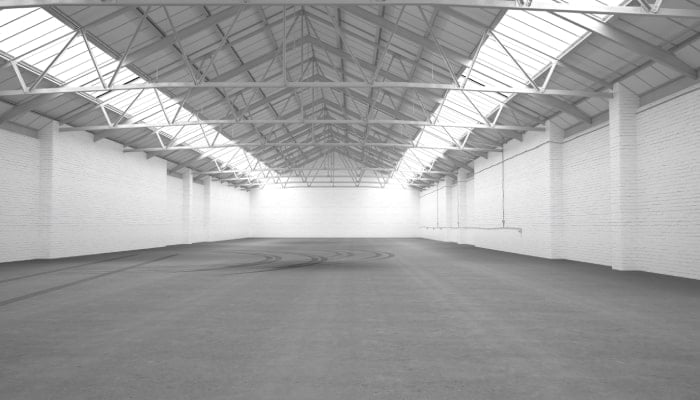
Unlike glass or acrylic, twin wall polycarbonate panels are extremely lightweight, making installation easier and reducing structural load. Despite their lightness, they are highly impact-resistant, capable of withstanding hail, heavy winds, and other environmental stresses without cracking or shattering.
Superior Light Transmission
These panels allow up to 80–82% light transmission, creating bright, naturally lit environments while reducing reliance on artificial lighting. This makes them ideal for greenhouses, sports halls, and residential patios.
Long-Lasting UV Protection
Our twin wall polycarbonate panels feature a co-extruded UV-protected layer that resists yellowing and degradation over time. Backed by a 10-year warranty, they maintain clarity and performance in outdoor applications.
Thermal and Acoustic Insulation
- Thermal Insulation: The air gap between the layers reduces heat transfer, stabilizing indoor temperatures and cutting energy costs for heating and cooling.
- Acoustic Insulation: Dual-layer construction dampens sound, with thicker sheets offering higher sound reduction indexes—perfect for sports facilities, offices, and residential spaces.
Best Uses in Construction and Design
Industrial and Commercial Applications
Factories, warehouses, and large facilities benefit from twin wall polycarbonate panels, which provide natural light while maintaining energy efficiency. Reduced lighting and temperature regulation translate into operational savings.
Architectural Designs
Architects favor these panels for their flexibility and aesthetics. Their lightweight structure enables creative, large-scale designs without compromising safety or integrity.
Residential Projects
For homes, twin wall polycarbonate panels are popular for patios, verandas, skylights, and greenhouses. They enhance comfort by offering light-filled spaces with effective insulation. Their DIY-friendly installation also makes them attractive for homeowners seeking cost-effective upgrades.
Structural Considerations
- Load Deflection: Ensure structures can withstand wind and snow loads. Panels should not deflect more than 5% of their shorter side length.
- Heat Expansion: Polycarbonate expands more than glass or metal, so adequate clearance must be left between panels and frames to prevent buckling or damage.
Enhance Your Projects with Twin Wall Polycarbonate Panels Today
By choosing twin wall polycarbonate panels, you gain a material that combines strength, light transmission, and energy efficiency in one solution. At Stabilit America, we are committed to delivering top-quality FRP panels and polycarbonate systems that meet the needs of architects, builders, and homeowners alike.
Twin wall polycarbonate panels offer a blend of durability, light transmission, and energy efficiency, so you can use them in a wide range of construction and design applications. At Stabilit America, we are dedicated to providing high-quality solutions that meet the needs of professionals in the field. For more information on our multiwall polycarbonate panels, visit our website. Explore our range of multiwall polycarbonate panels and learn more about how we can support your construction needs. As a leading FRP panels manufacturer, we are committed to excellence in every panel we produce.
Frequently Asked Questions (FAQs)
What is double polycarbonate?
Double or twin wall polycarbonate refers to panels with two layers separated by an air gap. This design improves thermal insulation, light transmission, and durability.
What is a major disadvantage of polycarbonate sheets?
Polycarbonate can expand and contract with temperature changes, requiring proper installation clearance. However, its advantages in strength, insulation, and UV resistance outweigh this drawback.
How long does double wall polycarbonate last?
High-quality twin wall polycarbonate panels, like those from Stabilit America, can last 10–20 years, thanks to UV protection and impact resistance.
Are twin wall polycarbonate panels good for greenhouses?
Yes. Their superior light transmission, insulation properties, and resistance to weathering make them one of the best materials for greenhouse construction.
Do twin wall polycarbonate panels save energy?
Absolutely. Their thermal insulation reduces heat transfer, cutting costs for heating in winter and cooling in summer.
Stabilit America Inc. is a leading North American manufacturer of fiberglass reinforced panels (FRP) and polycarbonate sheets, with over 65 years of experience. The company offers the widest range of acrylic, polyester, and polycarbonate laminates, backed by international certifications (USDA, Greenguard, FM, ISO 9001, among others), serving industries such as industrial construction, transportation, and sustainable building.
In the fast-paced world of logistics and cargo transportation, trailers endure relentless stress from constant loading, unloading, and exposure to environmental factors. A trailer scuff liner is not just a protective accessory—it is an essential safeguard that extends the life of your equipment while reducing long-term maintenance costs. Stabilit America provides scuff liner panels made of high-quality Fiberglass Reinforced Plastic (FRP), delivering unmatched resistance to scratches, impacts, moisture, and chemicals. Choosing the right scuff liner is a smart business decision that preserves your fleet’s value and enhances operational efficiency.
Understanding the Importance of Protective Coatings on Trailers
Every trailer is an investment that directly affects the profitability of your transportation operations. A trailer scuff liner acts as a shield against abrasions, dents, and corrosion, ensuring your vehicles stay in service longer. These panels absorb shocks from shifting cargo, resist water infiltration, and prevent chemical damage—issues that can lead to costly repairs or downtime if left unchecked. By proactively protecting the trailer’s interior, you not only maintain structural integrity but also create a sanitary and compliant environment for sensitive goods.
The Benefits of Using a Trailer Scuff Liner
Durability and Impact Resistance
Stabilit America’s trailer scuff liner panels are engineered from robust FRP composites that resist daily wear and heavy impacts. Their reinforced design ensures longevity even under the most demanding conditions, minimizing repair costs and keeping your trailers road-ready.
Moisture and Chemical Resistance
Unlike untreated surfaces, FRP scuff liners block water infiltration and protect against corrosive chemicals. This makes them ideal for trailers that transport diverse cargo types, including those requiring strict hygiene standards.
USDA Approved for Sanitation
When carrying food or sensitive products, sanitation is non-negotiable. Stabilit America’s scuff liners meet USDA approval, ensuring compliance with regulations and safeguarding transported goods.

Choosing the Right Coating for Your Trailer
Selecting a trailer scuff liner is about balancing performance with practicality. Here’s what to consider:
- Usage and Exposure: Adapt the liner to the cargo type and operating environment.
- Cleaning and Maintenance: FRP liners are simple to clean, requiring no special chemicals.
- Installation and Compatibility: Lightweight and versatile, FRP panels integrate seamlessly into different trailer models.
By choosing Stabilit America’s scuff liners, you gain long-lasting protection backed by expertise in FRP wall panels and transportation solutions.
Secure Your Trailer’s Longevity With Stabilit America
So, why use a scuff liner panels? Because it’s more than protection—it’s a strategic investment in durability, sanitation, and efficiency. Stabilit America’s FRP scuff liner panels provide superior impact resistance, moisture protection, and regulatory compliance. They help reduce maintenance expenses while extending the usable life of your trailers. Contact our team today to discover how our FRP solutions can transform your fleet’s performance and reliability.
When you make the choice to incorporate high-quality protective liners from Stabilit America, you end up maintaining the structural integrity and appearance of your trailers. At the same time, these contribute to operational efficiency and cleanliness. If you’re unsure about the best option for your needs, don’t hesitate to contact ours FRP manufacturers. Our experts are here to guide you through selecting the perfect FRP solution, ensuring your trailers are equipped to meet the challenges of your transportation tasks.
Frequently Asked Questions (FAQs)
What is a trailer scuff liner?
A trailer scuff liner is a protective FRP panel installed on the lower interior walls of trailers to guard against scratches, dents, and cargo impacts.
Why should I use a trailer scuff liner?
Using a scuff liner reduces wear and tear, prevents costly repairs, and extends the lifespan of your trailers. It also supports sanitation compliance for food and sensitive cargo.
How long does a trailer scuff liner last?
With proper installation and maintenance, FRP scuff liners can last for many years, even in high-demand operations, thanks to their durability and resistance to harsh conditions.
Are trailer scuff liners easy to clean?
Yes. FRP scuff liners are non-porous and resistant to stains, allowing quick cleaning with standard solutions, ensuring hygiene and efficiency.
What materials are best for trailer wall protection?
FRP panels are considered the best material for trailer wall and scuff protection due to their strength, lightweight design, and moisture resistance.
Stabilit America Inc. is a leading North American manufacturer of fiberglass reinforced panels (FRP) and polycarbonate sheets, with over 65 years of experience. The company offers the widest range of acrylic, polyester, and polycarbonate laminates, backed by international certifications (USDA, Greenguard, FM, ISO 9001, among others), serving industries such as industrial construction, transportation, and sustainable building.
Elevate the appeal and functionality of your mobile eatery with Stabilit America’s FRP panels, designed specifically for food trucks. These innovative interior FRP wall trailer panels offer a lightweight yet robust solution that revolutionizes your food truck’s interior.
Transforming your food truck into a professional-grade kitchen requires more than just the right equipment—it demands the right materials. FRP panels for food trucks provide the perfect balance of hygiene, functionality, and resilience, ensuring that your mobile business runs smoothly even under the toughest conditions. At Stabilit America, we manufacture FRP wall trailer panels specifically designed to meet the needs of the food service industry on wheels, helping operators achieve compliance, cleanliness, and efficiency.
The Benefits of FRP Panels in Food Truck Construction
Food trucks face unique challenges: limited space, high humidity, constant movement, and strict food safety inspections. FRP panels for food trucks solve these challenges by combining strength, lightweight design, and a hygienic finish. Unlike traditional materials like wood, metal, or laminate, FRP panels do not warp, corrode, or absorb odors, ensuring a long-lasting and professional kitchen environment.
Enhanced Structural Integrity with Lightweight Design
Every pound matters in a food truck. FRP panels offer a high strength-to-weight ratio, adding durability without unnecessary weight. This reduces vehicle strain, improves fuel efficiency, and ensures that the mobile kitchen remains easy to maneuver.
Ease of Cleaning and Maintenance
Hygiene is critical in food service. The non-porous surface of FRP panels prevents bacteria, mold, and grease build-up. With simple cleaning solutions, operators can maintain a sanitary environment while saving time on deep cleaning.
Safety and Sanitation with FRP Panels for Food Trucks
Non-Porous Surface for Hygienic Prep Areas
Unlike porous materials that harbor contaminants, FRP panels for food trucks create seamless prep areas that remain sanitary even under heavy use.
Meeting Food Safety Standards
Stabilit America’s FRP solutions are engineered to comply with strict food safety regulations, supporting operators in passing inspections with confidence.
Efficiency and Functionality Enhanced by FRP Panels
Accelerated Installation Process
FRP panels can be installed quickly, allowing food trucks to go from construction to operation in less time. For operators, this means less downtime and faster revenue generation.
Durability and Low Maintenance
Constant bumps, vibrations, and exposure to cleaning agents are no challenge for FRP. Their resilience ensures fewer repairs and long-term savings, while maintaining a clean, polished interior.

Why Choose Stabilit America’s FRP Panels for Food Trucks?
With decades of experience, Stabilit America offers FRP liner panels that combine hygiene, durability, and easy installation. Whether you’re starting a new food truck or renovating an existing one, our FRP panels for food trucks provide a reliable solution that enhances performance and customer confidence.
It’s time to rev up your food truck’s potential with Stablit America’s FRP panels. Seize the opportunity to streamline your operations, embrace durability, and ensure a seamless service experience. Let each meal you craft be backed by the confidence of a well-equipped, efficiently designed truck. Contact us today to equip your mobile venture with FRP panels and turn the key to a future where quality, speed, and hygiene drive your road to success.
Frequently Asked Questions (FAQs)
What are the benefits of FRP panels for food trucks?
FRP panels offer lightweight strength, easy cleaning, and resistance to humidity. They improve hygiene, reduce maintenance, and enhance the overall appeal of food truck interiors.
Are FRP panels easy to install in food trucks?
Yes. Their lightweight and flexible design allows for quick installation, reducing downtime and helping operators launch or renovate faster.
How do FRP panels for food trucks compare to other materials?
Unlike wood or metal, FRP panels are non-porous, corrosion-resistant, and easy to sanitize, making them superior for maintaining food safety.
What is the best material for a food truck wall?
FRP panels are considered one of the best materials for food truck walls due to their hygiene, durability, and compliance with food safety standards. Learn more about food truck walls.
What is the food safe wall material?
Food-safe wall materials must be non-porous, washable, and resistant to bacteria. FRP panels meet these requirements, making them a top choice for commercial kitchens and food trucks.
What is the most profitable food truck concept?
Profitability depends on market demand, location, and menu strategy. However, food trucks serving trending foods such as gourmet burgers, fusion cuisine, and specialty desserts often see higher returns. With FRP panels, operators can focus on maximizing profits while ensuring compliance and hygiene.
Stabilit America Inc. is a leading North American manufacturer of fiberglass reinforced panels (FRP) and polycarbonate sheets, with over 65 years of experience. The company offers the widest range of acrylic, polyester, and polycarbonate laminates, backed by international certifications (USDA, Greenguard, FM, ISO 9001, among others), serving industries such as industrial construction, transportation, and sustainable building.
If you are in the tourism and leisure industry, you know that comfort and convenience are the foundation of guest satisfaction. Bathrooms, and particularly showers, play a crucial role in shaping the travel experience. By incorporating Stabilit America’s FRP panels into your RV designs, you can turn standard showers into standout features that combine hygiene, durability, and aesthetics. Here are five RV shower ideas designed to inspire your next upgrade project.
Innovative RV Shower Ideas Using FRP Panels
When you are designing or refurbishing your RV showers, FRP panels open up a world of possibilities. These bathroom wall panel advantages bring durability, aesthetic versatility, and ease of maintenance all in one package. They are perfect for creating innovative and appealing shower spaces in your RVs.
1. Spa-Like Luxury Showers
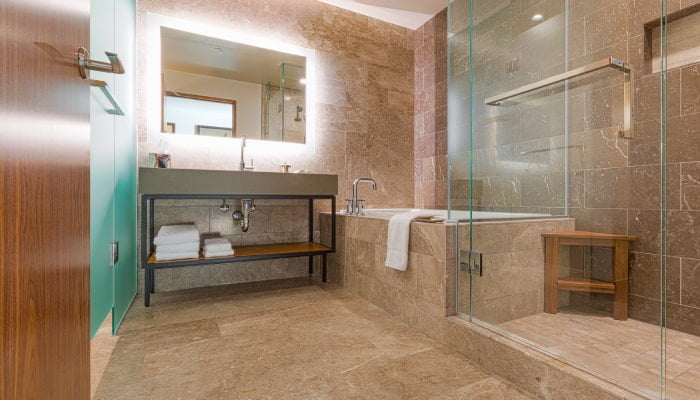
High-gloss FRP panels mimic the look of polished stone or marble, transforming RV showers into luxurious retreats. Their seamless finish eliminates grout lines while resisting moisture, mold, and mildew. This creates a hygienic, low-maintenance environment that maintains a premium feel over time.
2. Eco-Friendly Green Showers
Pair FRP panels with low-flow showerheads to build eco-conscious bathrooms. FRP’s durability reduces material replacement over the RV’s life, while light-colored panels reflect natural light, reducing the need for artificial illumination and saving energy.
3. Themed Shower Interiors
FRP panels come in multiple textures and colors, making them perfect for themed designs such as nautical, forest, or desert-inspired showers. Their resistance to fading under UV exposure ensures the aesthetic appeal lasts throughout years of travel.
4. Advanced Hygiene Solutions
The non-porous, antimicrobial surface of FRP panels prevents bacteria and mold growth, making cleaning easier and quicker. For operators, this means compliance with hygiene standards and fewer maintenance concerns—critical in today’s tourism market.
5. Convertible Multi-Use Showers
Maximizing space is a constant challenge in RVs. With FRP panels, you can design showers that double as storage areas or changing rooms. The strength of FRP ensures that walls remain intact under both water exposure and daily wear, offering flexible and functional solutions.
Elevate Your RV Shower Ideas With Stabilit America’s FRP Panels
By adopting these RV shower ideas, you not only increase the appeal of your vehicles but also improve durability, efficiency, and guest satisfaction. Stabilit America’s FRP panels are lightweight, resistant to moisture, easy to clean, and visually versatile—making them the perfect material to transform RV showers into a memorable part of the travel experience.
Frequently Asked Questions (FAQs)
What are the best RV shower ideas for small spaces?
Compact luxury and convertible designs are among the best RV shower ideas for small spaces. FRP panels make both possible by offering durability and easy customization.
Are FRP panels good for RV showers?
Yes. FRP panels are waterproof, easy to maintain, and resistant to mold, making them an excellent choice for high-use bathrooms in RVs.
How can I make my RV shower more luxurious?
Incorporating high-gloss FRP panels with spa-like finishes can create an upscale, modern look without the maintenance challenges of traditional stone or tile.
What is the most hygienic material for RV showers?
FRP panels are one of the most hygienic options because they are non-porous and antimicrobial, preventing bacteria, mold, and mildew from developing.
Do FRP panels in RV showers reduce maintenance costs?
Absolutely. Their easy-to-clean surfaces and long-lasting durability minimize repair and replacement expenses over the life of the RV.
Stabilit America Inc. is a leading North American manufacturer of fiberglass reinforced panels (FRP) and polycarbonate sheets, with over 65 years of experience. The company offers the widest range of acrylic, polyester, and polycarbonate laminates, backed by international certifications (USDA, Greenguard, FM, ISO 9001, among others), serving industries such as industrial construction, transportation, and sustainable building.